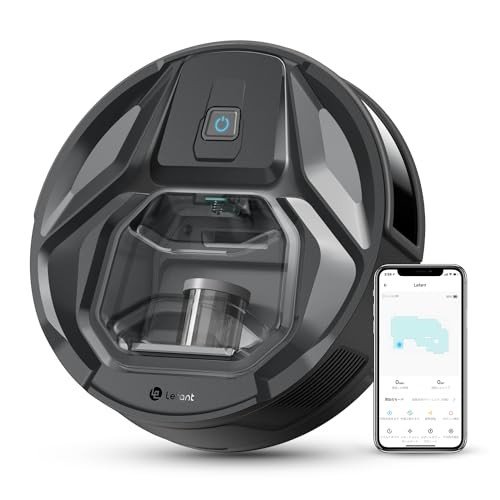
The Future of Home Cleaning: A Comprehensive Guide to Robot Vacuums and Cleaners
Recently, the advancement of robot vacuums and cleaners has changed the landscape of home cleaning. These autonomous devices combine innovative technology with user convenience, using a service for busy households that look for to reduce the time invested on cleaning tasks. This article explores the types, functions, benefits, and frequently asked questions about robot vacuums and cleaners, presenting a clear understanding of how they can boost every day life.
What is a Robot Vacuum and Cleaner?
A robot vacuum and cleaner is a self-operating gadget designed to autonomously navigate and clean floors. It makes use of a mix of sensors, cams, and synthetic intelligence to map areas and identify challenges, effectively vacuuming various surface areas consisting of carpets, hardwood floorings, and tiles. Some models likewise include mopping abilities, enabling them to scrub and disinfect difficult floors.
Kinds Of Robot Vacuums and Cleaners
Robot vacuums come in several types, each designed to deal with particular cleaning needs.
| Type of Robot Vacuum | Description | Best For |
|---|---|---|
| Basic Robot Vacuum | Entry-level vacuums that supply essential cleaning services without sophisticated functions. | Budget-conscious users |
| Smart Robot Vacuum | Features Wi-Fi connectivity, app control, and voice control compatibility with smart home devices. | Tech-savvy people |
| Strolling Robot Vacuum | Equipped with sophisticated navigation systems, these vacuums expertly map big locations efficiently. | Big homes and open areas |
| Hybrid Robot Vacuum | Integrates vacuuming and mopping functions in one device. | Users trying to find multi-functional cleaning services |
| Family Pet Hair Robot Vacuum | Designed with special brushes and strong suction abilities to take on animal hair. | Family pet owners |
Key Features to Consider
When picking the right robot vacuum or cleaner, buyers must think about various functions that influence efficiency and functionality.
- Suction Power: This is vital for deep cleaning carpets and successfully choosing up particles.
- Battery Life: Longer battery life allows the vacuum to tidy larger areas without interruption.
- Navigation Technology: Advanced designs use laser or electronic camera navigation, while standard models rely on bump sensors.
- Smart Home Integration: Compatibility with platforms like Amazon Alexa or Google Assistant can boost user experience.
- Filtering System: High-efficiency particle air (HEPA) filters are essential for asthma or allergy patients, catching great dust and irritants.
- Dustbin Capacity: Larger dustbins need less regular emptying, making upkeep easier.
- Mopping Functionality: Some designs come with mopping features for cleaning tough surfaces.
- Noise Level: Quieter robots permit inconspicuous cleaning, specifically in noise-sensitive environments.
Benefits of Using Robot Vacuums and Cleaners
The adoption of robot vacuums brings various benefits that make them an appealing alternative for lots of homes.
- Time-saving: They operate autonomously, permitting users to maximize time for other activities.
- Convenience: Many models can be set up to clean up at specific times, offering flexible alternatives.
- Consistent Cleaning: Regular cleaning cycles lead to a consistently tidy living environment.
- Ease of access: Robotic vacuums can access hard locations, like under furniture, that standard vacuums might struggle with.
- Improved Air Quality: Regular use can lower dust and allergens, adding to a healthier home environment.
Regularly Asked Questions (FAQs)
1. How do robot vacuums manage barriers?
The majority of contemporary robot vacuums are equipped with sensors that assist them find and prevent barriers. auto vacuum and mop -end designs use innovative mapping technologies to develop a layout of the environment, permitting more effective navigation.
2. How typically should I run my robot vacuum?
The frequency of use depends upon your household's needs. Usually, running the robot vacuum several times a week is recommended, particularly in homes with pets or high foot traffic.
3. auto vacuum ?
Yes, numerous designs are particularly created for pet owners, featuring powerful suction and specialized brushes to deal with animal hair and dander effectively.
4. Can I control my robot vacuum with my smartphone?
The majority of wise robot vacuums come with a matching mobile app that permits users to manage settings, schedule cleaning sessions, and even monitor the cleaning activity from their smartphones.
5. Do robot vacuums just deal with difficult floorings?
While numerous robot vacuums are designed for difficult floors, numerous designs can also successfully clean carpets, making them versatile for different floor covering types.
6. What is the typical lifespan of a robot vacuum?
The life expectancy of a robot vacuum normally ranges from 3 to 5 years, depending upon usage, care, and the design's quality.
Robot vacuums and cleaners have reinvented family cleaning routines, supplying time-saving solutions with very little effort. While there are lots of alternatives readily available, potential purchasers must thoroughly examine their requirements versus the functions used by numerous models. As innovation continues to advance, robot vacuums are likely to become even smarter and more efficient, fundamentally altering how individuals approach home cleaning. Welcoming this development means taking pleasure in a cleaner home while focusing on what genuinely matters in life: hanging out with friends and family.
With the ideal robot vacuum or cleaner, the future of home cleaning looks both smart and simple and easy.